If you love travel but don’t love rushing from place to place, a tent base camp trip can be a sweet middle ground. You get the outdoors, a slower pace, and a setup that feels more like a tiny home than a survival contest. The goal isn’t to camp like a wilderness wizard. It’s to make the experience comfortable, useful, and fun enough that you’d actually want to do it again.
Pick your Shelter
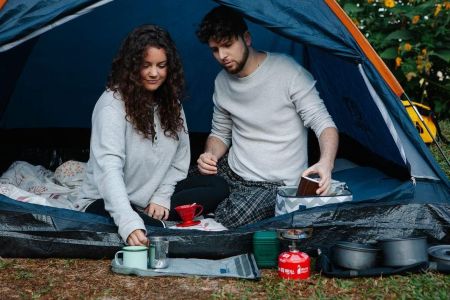
Your shelter is the big decision because it affects sleep, storage, comfort, and your mood when the weather gets grumpy. If you want more room to stand, organize gear, and settle in for a few days, a wall tent can make a base camp feel much easier.
When you’re comparing options, Gear Lab is the kind of place you’d look at if you want canvas tents built for roomy, practical camping. A setup like that works well when you’re staying put instead of hopping camps every night. You get more space for cots, bags, and even a little camp chair corner.
Think about your group size honestly. If 4 people are coming, don’t shop like 2 of them are tiny squirrels. Give yourself breathing room. A cramped tent turns everyone into grumpy potatoes. For a base camp trip, comfort matters more than going ultra light.
Choose the Right Spot
A good campsite does a lot of invisible work for you. It helps you sleep better, stay drier, and spend less time fixing annoying problems. Start by looking for level ground. Even a slight slope can turn bedtime into a slow-motion slide.
Look up and around too. Shade is great on warm days, but you also want to avoid spots under weak branches. If rain is possible, skip low areas where water may collect. The best site usually feels a little boring at first glance, and that’s often a good thing. Flat, open, and stable wins.
Try to think about your daily rhythm. Is water nearby without being too close? Can you cook without tripping over roots? Will the morning sun blast your tent at 6 a.m.? These little details shape the whole trip. A nice view is a bonus, but a smart location is what keeps camp life from becoming a soggy comedy sketch.
Pack for Real Comfort
Packing for comfort doesn’t mean hauling your entire house into the woods. It means bringing the few things that make a huge difference. Start with sleep. A decent cot or thick sleeping pad beats pretending the ground is “not that bad”. The ground always wins that argument.
Bring warm layers even if the forecast looks friendly. Nights can flip fast. A simple lantern or string lights can also make camp feel calm instead of cave-like. Add a folding table if you have room. It gives you a place for meals, maps, and the random little items that otherwise vanish into tent corners.
A few storage bins help a lot. One for food gear, one for clothes, one for odds and ends. It keeps the tent from turning into a mystery pile. Don’t forget easy extras like wet wipes, trash bags, and a small mat by the entrance. That mat catches dirt before it marches inside like it pays rent.
Set up with Ease
The easiest camp setups follow a simple order. First, clear the area and decide where everything goes. Put the tent where the ground is best, then think about your cooking area, seating, and where to stash gear if rain shows up. A rough plan saves time.
If you’re camping with other people, give everyone a job. One person handles tent fabric, another organizes poles, another keeps loose gear out of the way. Too many ‘helpers’ doing the same task can slow things down fast. Suddenly setting up camp feels like building furniture with no instructions and three opinions.
Try to keep the inside of the tent dry from the start. Don’t toss wet jackets onto bedding. Don’t leave bags open on the floor. Once your sleep area is set, make it stay set. That means shoes in one place, lights in one place, and nighttime essentials easy to reach. Future you, half asleep and looking for a flashlight, will be deeply grateful.
Plan Easy Meals
Base camp meals should be simple, filling, and low drama. This is not the time to prove you could host a cooking show in the woods. Pick a few dependable meals you actually enjoy. Think oatmeal, eggs, sandwiches, foil packet dinners, soup, pasta, grilled sausage, or tacos.
Prep what you can at home. Chop vegetables, portion snacks, and pack spices in small containers. A little prep work makes camp cooking feel much easier. You’ll spend less time fiddling and more time eating, which is always a strong life choice.
Keep cleanup in mind when planning meals. One-pot dinners are golden. So are foods that don’t need ten utensils and a chemistry lab of ingredients. Store food carefully and keep your cooking area tidy. It’s safer, less stressful, and prevents that end-of-day moment where you stare at a greasy pan like it personally betrayed you.
Keep the Fun Simple
One of the best parts of a base camp trip is that you don’t need a packed schedule. You’re not racing from one thing to the next. You can settle in and actually notice where you are. That slower style works well for everyday travelers who just want a break. Short walks are great because they don’t require a huge commitment. Bring binoculars if you enjoy birdwatching or wildlife spotting. A camera, sketchbook, or good book also fits the mood. Even making coffee and sitting quietly can feel like an activity when life back home is nonstop.
At night, keep things easy. Stargazing, card games, and campfire chats are classic for a reason. They’re simple and they work. You don’t need a giant itinerary to have a memorable trip. Sometimes the best camp moments are the small ones, like hearing the wind in the trees while you sit there wrapped in a blanket like a very outdoorsy burrito.
Leave Camp Better
A good trip ends with a clean campsite and a little pride in how you used the space. Start cleanup before the last morning if you can. Pack items you no longer need, gather trash early, and avoid leaving a huge mess for checkout day.
Walk the site slowly before you leave. Check for food scraps, bits of packaging, lost socks, and anything else that doesn’t belong there. Look under the table, around the fire area, and near bushes where things love to hide. Tiny items matter too.
Try to leave the spot looking as if no one camped there, or at least better than when you arrived. That habit protects the place and makes it nicer for the next group. More than that, it keeps camping enjoyable for everyone. A cozy base camp trip doesn’t need fancy tricks. With the right shelter, a smart setup, and a few easy habits, you can make outdoor travel feel comfortable, calm, and very worth repeating.
Kane Herrison